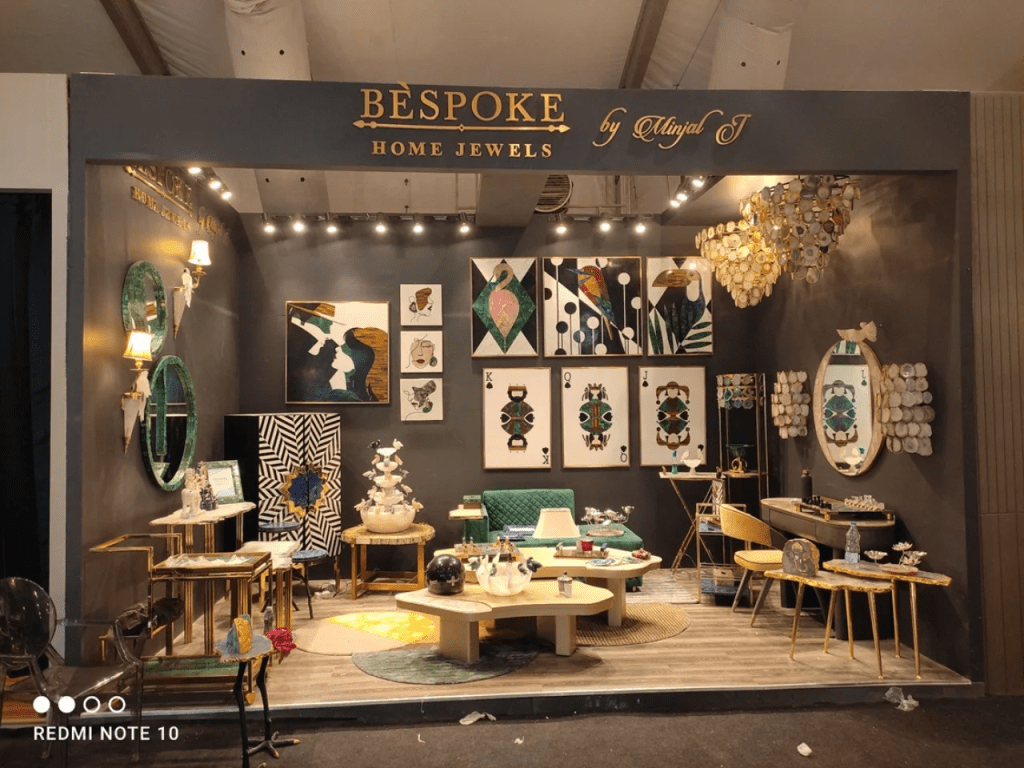
Expo stall design is no longer just about building walls and placing banners. In 2025, exhibitions have transformed into immersive brand experiences where every detail of the stall reflects a company’s identity, innovation, and vision for the future. With increasing competition at trade shows and expos, brands are under more pressure than ever to stand out and leave a lasting impression on attendees.
This is where 3D stall design plays a game-changing role. Unlike traditional 2D layouts, 3D designs allow exhibitors to visualize and plan their stall in a realistic environment before fabrication begins. The result? Smarter use of space, better storytelling, and impactful visitor engagement. In this article, we’ll uncover the top 5 3D stall design trends of 2025, explain how they’re shaping exhibitor strategies, and share insights on fabrication and booth execution that can help you future-proof your investment.
Why 3D Stall Design Matters in 2025
In 2025, exhibitions are not just networking events—they’re brand theatres. Visitors want to feel, touch, and experience a brand rather than simply viewing products on shelves. 3D stall design empowers exhibitors to create such immersive experiences by offering a realistic preview of the layout, materials, lighting, and customer journey.
There are three main reasons why this matters now more than ever:
- Rising Competition – With thousands of brands competing for attention at expos, a well-executed stall can be the difference between high footfall and missed opportunities.
- Technology Integration – From AR demos to live-streamed content, exhibitors need design systems that can seamlessly integrate advanced tech.
- Sustainability Expectations – Eco-conscious customers are more likely to engage with brands that demonstrate responsibility through modular, sustainable stall setups.
This makes 3D design not just an option but an essential step for serious exhibitors in 2025.
Top 5 3D Stall Design Trends to Watch in 2025
1. Immersive Digital Experiences
Exhibitors are increasingly embracing technology to deliver unforgettable experiences inside their stalls. The use of augmented reality (AR), virtual reality (VR), and holographic displays is now common across major global expo stall design. These digital tools help brands bring complex products and solutions to life, particularly in industries like automotive, manufacturing, and healthcare.
For instance, instead of physically displaying every machine or product, a brand can use AR apps to allow visitors to interact with 3D product models through tablets or smart glasses. Similarly, VR headsets can transport attendees into a simulated environment where they see the product in action. This not only saves physical space but also creates an emotional connection with the visitor.
In 2025, immersive digital experiences will no longer be “nice-to-have.” They’ll be expected by audiences who have grown accustomed to digital-first brand engagement. Exhibitors who invest in these tools will naturally gain higher engagement and stronger recall.
2. Sustainable & Modular Stalls
Sustainability is not just a buzzword anymore—it’s a requirement. Exhibitors and organizers alike are under increasing pressure to reduce the environmental footprint of expos. That’s why sustainable stall fabrication has become a leading trend in 2025.
The focus is shifting toward:
- Eco-friendly materials like recycled wood, bamboo, aluminum, and fabric graphics.
- Modular designs that can be dismantled, transported, and reused across multiple events.
- Lightweight structures that minimize logistics costs and carbon emissions.
Exhibitors also benefit financially from modularity. Instead of building a new stall from scratch for every event, modular systems allow brands to reconfigure existing elements into fresh layouts. This not only saves money but also ensures design consistency across different markets.
Brands that showcase eco-consciousness in their stall designs also strengthen their reputation. Attendees see the effort, and it aligns perfectly with modern customer values. In 2025, sustainable stall fabrication will be one of the strongest differentiators for exhibitors.
3. Experiential Zones & Brand Storytelling
Exhibitions have always been about showcasing products, but the trend in 2025 goes deeper—it’s about telling stories. Today’s visitors want to know the “why” behind a brand, not just the “what.” That’s where experiential zones inside stalls come into play.
Imagine entering a stall where:
- The lighting changes dynamically to reflect the brand’s mood.
- Soundscapes transport you to the environment where the product is used.
- Interactive displays guide you through the company’s history, milestones, and values.
This kind of storytelling transforms the stall into a stage where the brand narrative unfolds. Exhibitors are now investing in multi-sensory experiences that make visitors not just observers but participants. For example, a cosmetics brand might create a “beauty journey zone” where visitors can virtually try on products, while a tech company might design an “innovation hub” with live product simulations.
By weaving storytelling into 3D stall design, exhibitors ensure their brand message is remembered long after the event is over.
4. Minimalist Yet Bold Structures
While technology and storytelling add complexity, another design trend in 2025 emphasizes simplicity: minimalist yet bold structures. The idea is to create a clean, uncluttered stall that directs attention to what truly matters—the product and the brand.
Minimalist stalls often feature:
- Open layouts with fewer partitions, encouraging natural visitor flow.
- Large focal points like a single dramatic installation, product display, or LED wall.
- Neutral color palettes with a splash of bold brand colors for impact.
This approach works well for brands that want to communicate sophistication and clarity. By reducing visual noise, minimalist designs help highlight key messages and create a premium feel.
Successful minimalist 3D stall design examples from 2025 often combine simplicity with creativity—for example, a stall with a towering light structure, or a sleek product wall backed by interactive screens. It’s proof that less really can be more when executed strategically.
5. Hybrid Stalls for Phygital Engagement
Perhaps the most transformative trend in 2025 is the rise of hybrid stalls that blend physical and digital engagement—a concept often called phygital. With many exhibitions now offering virtual participation, exhibitors must design stalls that cater to both live and remote audiences.
Some key features of hybrid stalls include:
- QR codes and NFC tags that allow instant access to digital brochures and demos.
- Live streaming setups where product launches or panel discussions inside the stall are broadcasted to global audiences.
- Interactive kiosks where visitors can sign up for newsletters or connect with sales teams digitally.
Hybrid models extend the life of the stall beyond the physical event. Remote visitors can still engage, and exhibitors can capture valuable leads digitally. In 2025, phygital engagement will become the new standard for global exhibitors looking to maximize ROI from every event.
Key Considerations for Stall Fabrication in 2025
Even the most innovative design won’t succeed without proper stall fabrication. The quality of materials, attention to detail, and construction expertise determine whether your stall vision comes alive or falls flat.
Some key considerations include:
- Material Selection – Choose sustainable yet durable materials that balance aesthetics with functionality.
- Precision Fabrication – Ensure every element—from lighting fixtures to modular panels—is crafted accurately.
- Safety & Compliance – Stalls must adhere to local fire, electrical, and structural safety codes.
- Flexibility – Work with fabricators who can create modular systems that adapt to future events.
Exhibitors should collaborate closely with experienced fabricators who understand the latest design and technology trends. This partnership ensures smooth execution, cost efficiency, and reduced stress during event setup.
Conclusion
The landscape of 3D stall design in 2025 is more exciting—and more demanding—than ever. From immersive technologies to sustainable fabrication, exhibitors have a wealth of opportunities to craft experiences that inspire, engage, and convert.
The top 5 trends—digital immersion, sustainability, storytelling, minimalism, and hybrid engagement—are not just fads but fundamental shifts in how brands connect with audiences. Exhibitors who embrace these approaches today will lead tomorrow’s expos.
If you’re preparing for your next exhibition, now is the time to rethink your stall design strategy. Partner with experts who understand the evolving balance of creativity, technology, and fabrication, and ensure your brand not only participates but shines at every event.
 Stall Designs
Leave a comment